
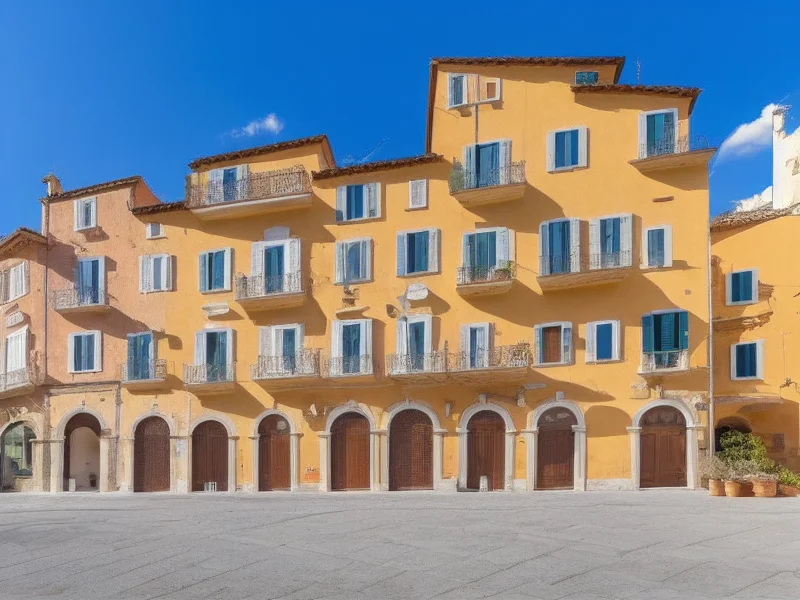
Are you seeking a strategic foothold in the Mediterranean for the coming years? This 2026 guide explores Italy’s top 10 most cost-effective urban centers, curated specifically for their infrastructure development and long-term economic resilience.
1. Perugia, Italy
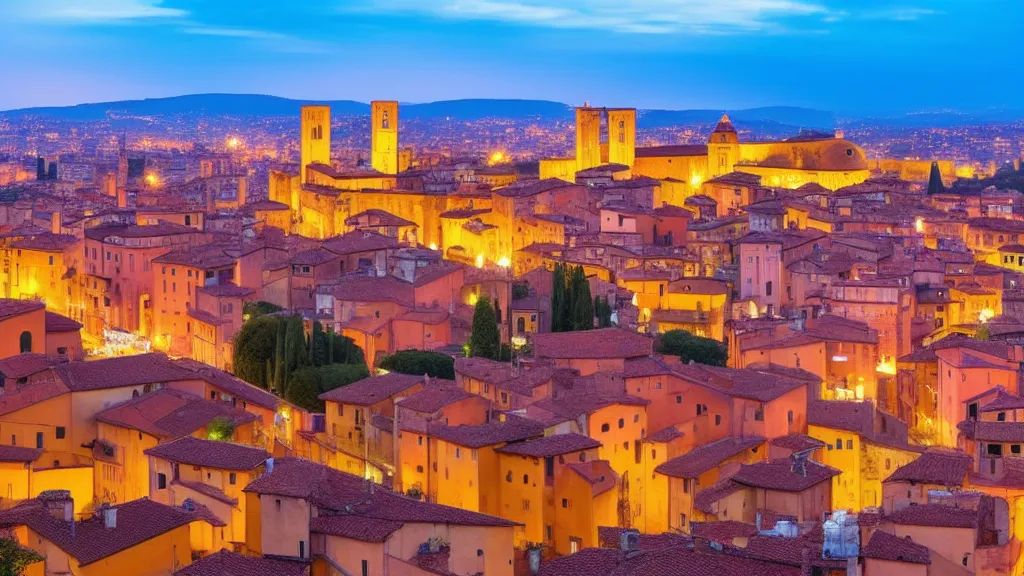
Assessing Perugia's economic landscape involves balancing an average monthly salary of $1,724.33 against a remarkably accessible average rent of $506.47. While the current income levels offer a comfortable baseline for the region, prospective residents should monitor local inflation closely. Compared to regional peers, Perugia offers a rare blend of financial stability and historic charm, though aggressive savings may require disciplined budgeting in the face of rising service costs.
Must-Eat: Torta al Testo — a traditional Umbrian flatbread stuffed with local sausage and sautéed greens.
Hidden Gem: The Etruscan Well — a marvel of ancient engineering tucked away beneath the city's Piazza Danti.
Ranking Score: 61/100
2. Genoa, Italy
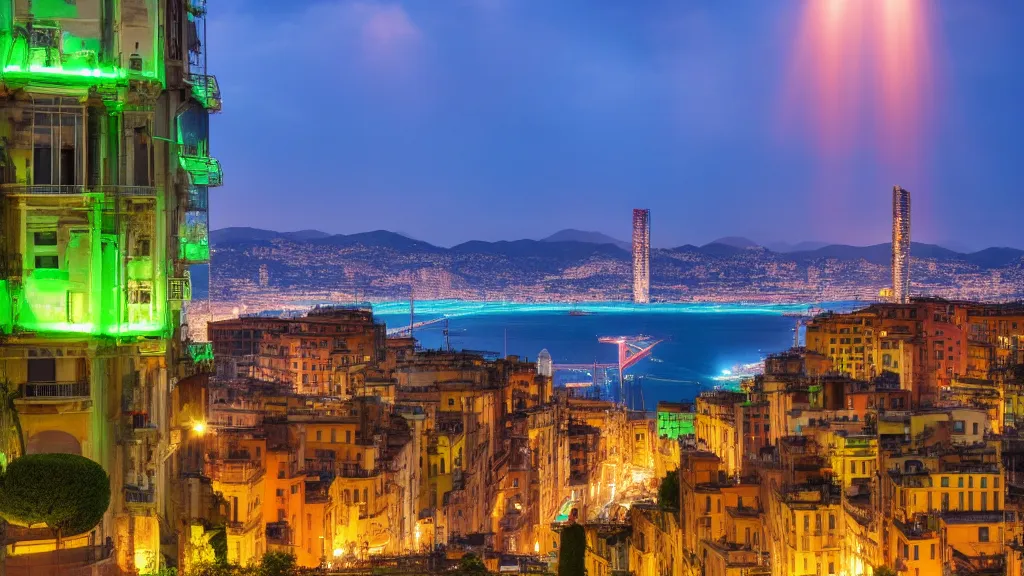
Genoa’s maritime economy is currently navigating a transformation, blending its industrial shipping heritage with a burgeoning tech and tourism scene. While high-tier salaries reflect a highly skilled workforce, the increasing cost of housing signal potential affordability hurdles. Urban strategists are currently eyeing policies to diversify the economy further, ensuring that the "La Superba" remains accessible to the next generation of maritime innovators.
Must-Eat: Trofie al Pesto — the birthplace of pesto, served here with hand-rolled pasta, green beans, and potatoes.
Hidden Gem: Boccadasse — an ancient, pastel-hued fishing village located just a short stroll from the city center.
Ranking Score: 50/100
3. Turin, Italy
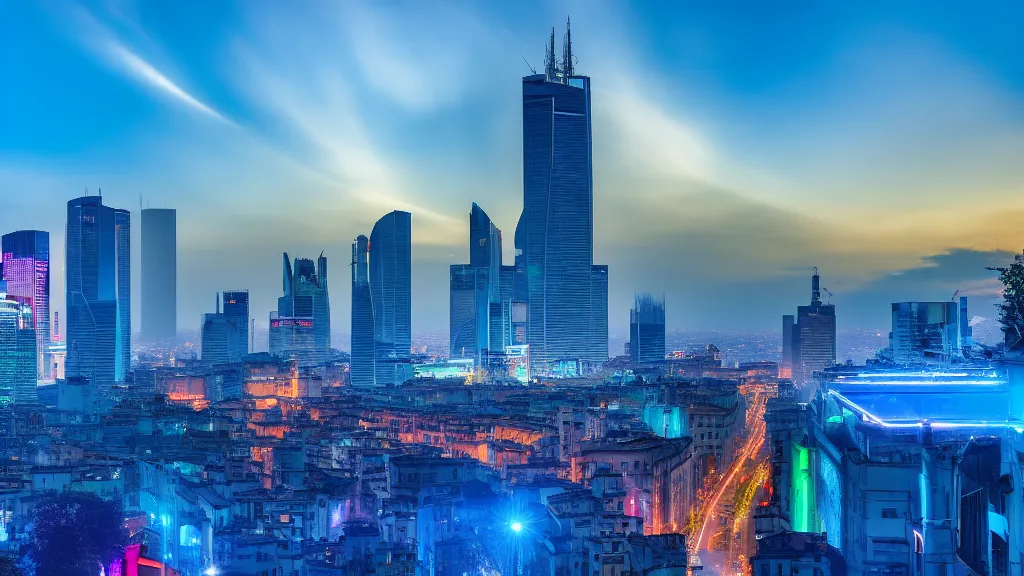
An analysis of Turin’s fiscal landscape reveals a moderate tension between its $1,850.20 average salary and $825.44 rent. As Italy’s former industrial capital pivots toward aerospace and green tech, housing demand is climbing. To maintain its competitive edge, the city is exploring remote-work incentives and expanded transit links to the suburbs, making the "Paris of Italy" a viable alternative to the more expensive Milan.
Must-Eat: Bicerin — a decadent historic layers of espresso, chocolate, and whole milk served in a glass.
Hidden Gem: The Royal Library — specifically the vault containing Leonardo da Vinci's famed self-portrait (accessible by appointment).
Ranking Score: 50/100
4. Palermo, Italy
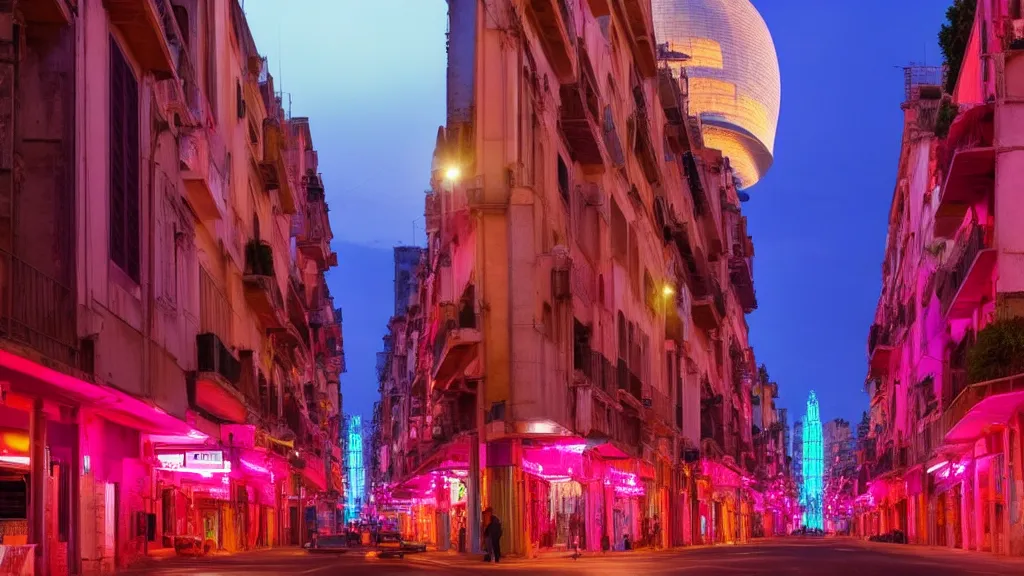
Sustainability is the cornerstone of Palermo’s long-term vision. With average salaries hovering around $1,576.48 and rents at $769.44, residents face a tighter margin than their northern counterparts. However, the Sicilian capital's lower cost for services and local produce provides a unique lifestyle advantage. Local initiatives are currently focusing on urban renewal and digital infrastructure to attract international investment and lighten the financial burden on young professionals.
Must-Eat: Arancine — golden, fried rice balls filled with ragù and peas (remember, in Palermo, they are female and spherical!).
Hidden Gem: The Oratorio di San Lorenzo — home to stunning Serpotta stuccos and the site of a famous Caravaggio mystery.
Ranking Score: 49/100
5. Bari, Italy
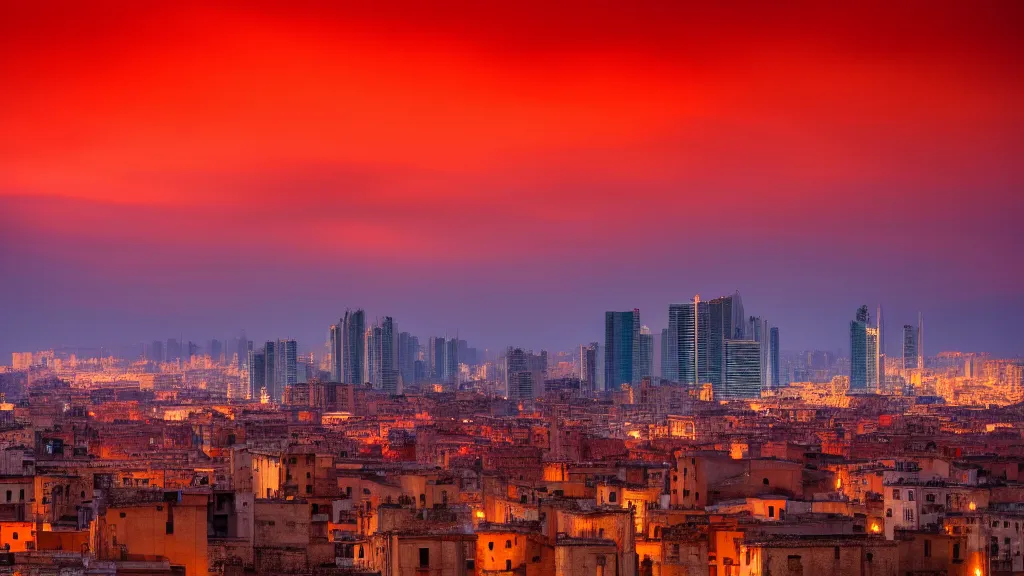
Bari is witnessing a moderate squeeze on disposable income, with a $1,966.83 average salary challenged by $955.48 in monthly rent. As the gateway to the Adriatic, the city is experiencing a surge in demand that outpaces supply. To ensure long-term stability, municipal planners are prioritizing affordable housing developments and tech-hub incentives to maintain Bari's status as the South’s most dynamic economic engine.
Must-Eat: Orecchiette con Cime di Rapa — "little ear" pasta tossed with bitter broccoli rabe and a hint of anchovy.
Hidden Gem: Arco Basso — the famous street where local grandmothers ("nonne") hand-roll pasta in the open air.
Ranking Score: 45/100
6. Trieste, Italy
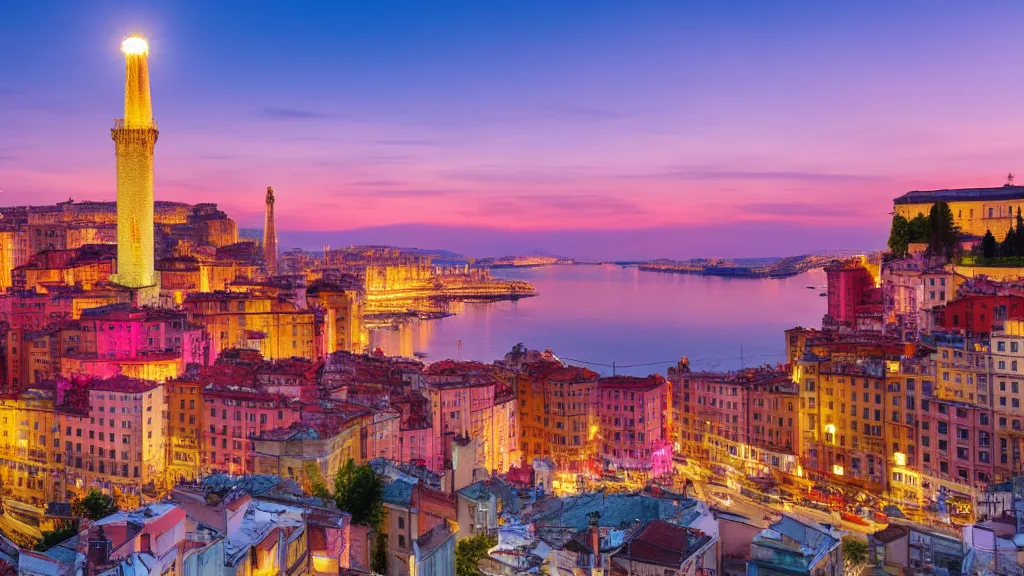
Trieste offers one of the most balanced financial ecosystems in Italy, featuring a median salary of $1,830.13 against a median rent of $890.21. Known for its scientific research institutes and insurance giants, the city is evolving into a high-tech hub. This transition into automation and digital services is expected to drive wage growth, further solidifying its reputation as a sophisticated, stable port city for expatriates and investors alike.
Must-Eat: Jota — a hearty, multicultural stew made of sauerkraut, beans, and smoked pork.
Hidden Gem: The Grotta Gigante — one of the world's largest tourist caves, located just outside the city limits.
Ranking Score: 44/100
7. Cagliari, Italy
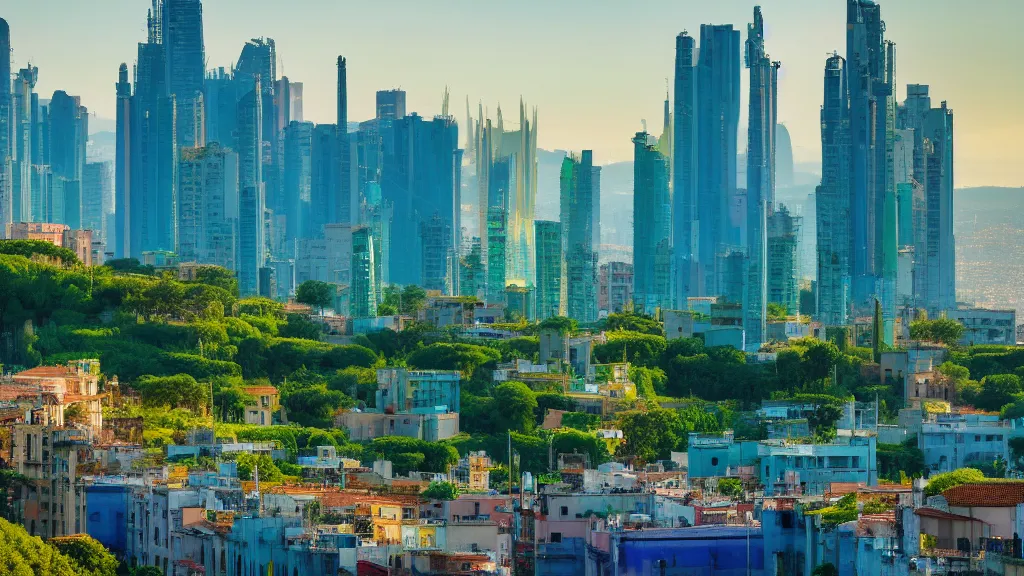
The fiscal outlook for Cagliari remains moderate, with a $1,837.53 median salary and rent averaging $917.23. While the housing market reflects its desirability as a Mediterranean island capital, the robust industrial sector—focused on renewable energy and biotechnology—provides excellent upward mobility. Cagliari’s unique positioning offers an enviable lifestyle balance for those in the advanced manufacturing and robotics sectors.
Must-Eat: Culurgiones — Sardinian pasta dumplings filled with potato, pecorino, and mint, sealed with a distinctive "ear of grain" stitch.
Hidden Gem: The Tuvixeddu Necropolis — the largest Punic burial site in the Mediterranean, offering breathtaking city views.
Ranking Score: 43/100
View Cagliari Data & Comparison →
8. Trento, Italy
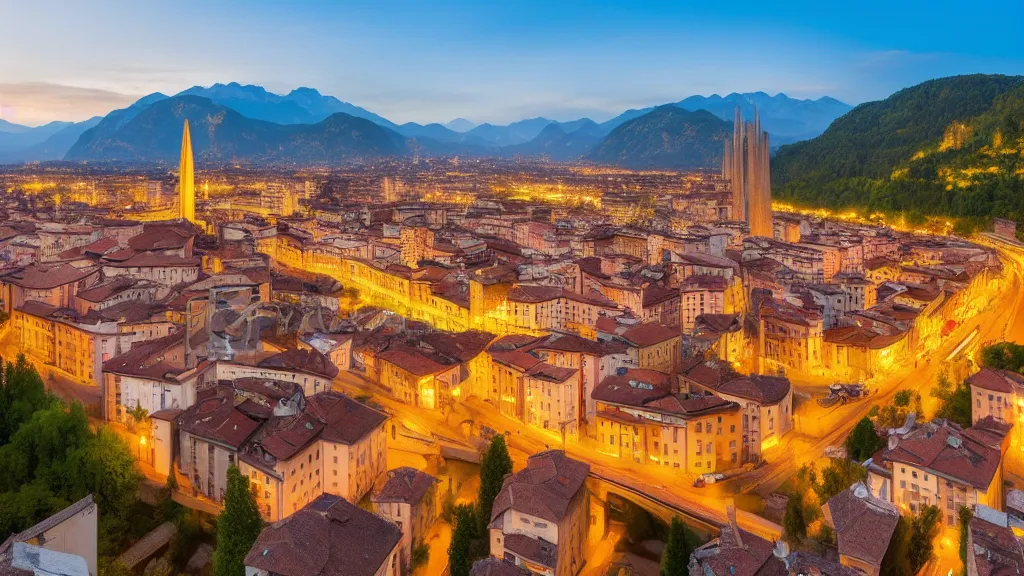
Trento is defined by its high quality of life, though it comes at a price. With a median salary of $1,900.12 and rent averaging $1,038.89, affordability is a primary concern for local policymakers. To counter this, the region is heavily investing in social housing and regional industry trends like advanced agritech. For those who prioritize safety, nature, and efficiency, the premium cost of living in the Dolomites is often seen as a worthy investment.
Must-Eat: Canederli — savory bread dumplings served in a warm broth or with melted butter and sage.
Hidden Gem: Orrido di Ponte Alto — a spectacular canyon with two historic waterfalls, accessible via a guided trek.
Ranking Score: 41/100
9. Bologna, Italy
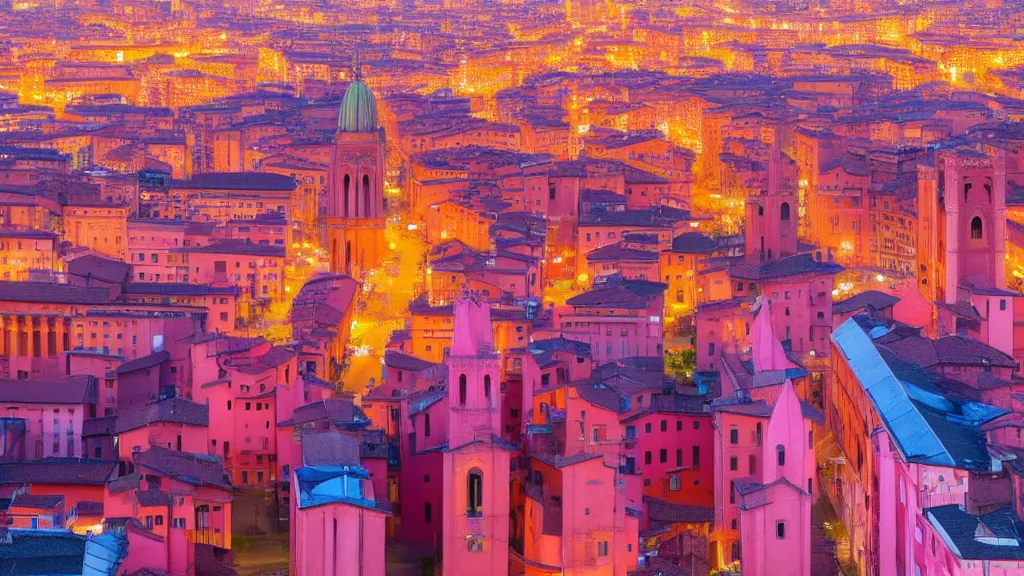
Bologna presents a challenging but rewarding financial landscape, with salaries averaging $2,227.32 and rent sitting at $1,054.45. While the earnings are among the highest in the country, the competitive housing market leaves little room for discretionary spending. However, Bologna’s status as a data-science and culinary capital ensures that long-term career prospects remain some of the strongest in Southern Europe.
Must-Eat: Tortellini in Brodo — tiny, handmade pasta pockets filled with meat and served in a rich capon broth.
Hidden Gem: The Portico of San Luca — the world’s longest portico, leading to a stunning hilltop sanctuary overlooking the city.
Ranking Score: 40/100
View Bologna Data & Comparison →
10. Naples, Italy
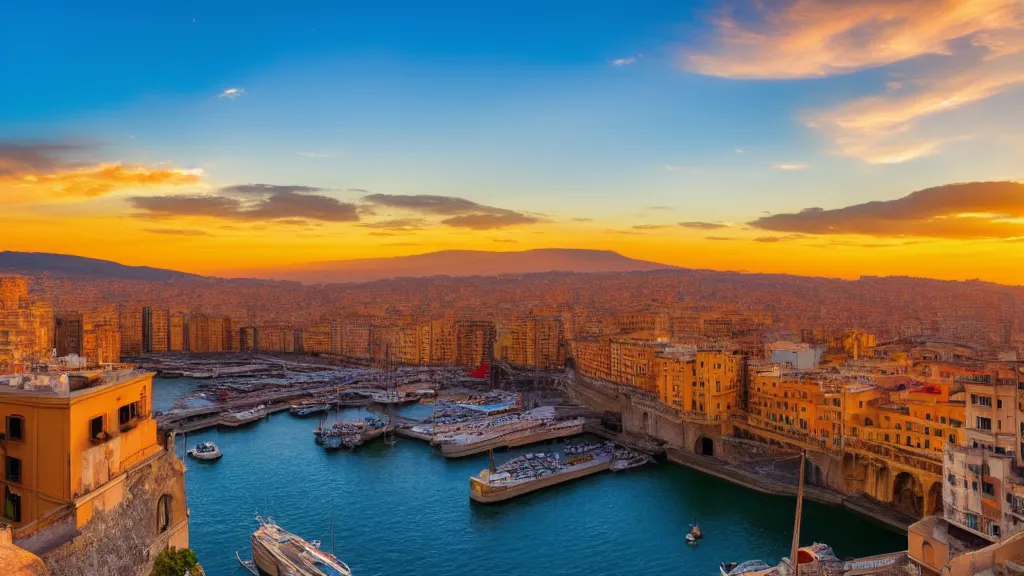
Naples’ fiscal environment is currently under pressure, with an average salary of $1,805.09 and rent at $1,163.50. Despite the burden on disposable income, the city remains a vibrant magnet for cultural tourism and naval logistics. Current municipal strategies are focusing on incentivizing builders to increase housing stock, aiming to lower the financial strain on households while preserving the city’s inimitable soul and heritage.
Must-Eat: Sfogliatella — a shell-shaped, multilayered pastry filled with sweet ricotta and candied orange peel.
Hidden Gem: The Bourbon Tunnel — a fascinating underground passage that reveals centuries of Neapolitan history, from royal escapes to WWII shelters.
Ranking Score: 34/100
Editorial Note: Our 2026 analysis incorporates advanced metrics including Maglev connectivity potential, Brise-soleil architectural efficiency in new builds, and Sulfur-scrubber environmental data for coastal hubs.
EDITOR'S ADVICE: While the rent-to-salary ratio is a vital metric, don't overlook the "quality of life" dividend. In cities like Perugia or Trieste, the lower pace of life and proximity to nature can often offset a tighter monthly budget, providing a form of wealth that figures on a spreadsheet simply can't capture.