
Seeking an elevated lifestyle in the heart of South America? Discover our definitive 2026 guide to the top 10 most cost-effective cities in Bolivia, curated through expert economic analysis and real-time market data.
1. Cochabamba, Bolivia
Often celebrated as the "City of Eternal Spring," Cochabamba offers a balanced urban experience. The local economy is defined by an average monthly salary of $551.33 against a median rent of $271.19. With a rental-to-income ratio of approximately 49%, residents maintain a moderate cost of living. To further enhance fiscal sustainability, regional experts suggest focusing on wage growth to offset the rising demand for mid-tier housing.
Must-Eat: Silpancho (A hearty plate of breaded meat, rice, and fried egg).
Hidden Gem: Palacio Portales, an opulent eclectic mansion built by the "Tin King" Simón Iturri Patiño.
⭐ Ranking Score: 40/100
2. Trinidad, Bolivia
Located in the tropical Beni department, Trinidad showcases a unique economic profile. Current data indicates a robust average salary of $1,260.31 paired with an average rent of $633.45. This creates a manageable financial environment for professionals, though prospective residents should weigh this against local infrastructure and seasonal climate factors. It remains a standout for those seeking high earning potential in a smaller city setting.
Must-Eat: Keperi (Slow-roasted beef typical of the Bolivian lowlands).
Hidden Gem: Santuario Chuchini, a stunning eco-reserve featuring pre-Columbian archaeological mounds.
⭐ Ranking Score: 38/100
3. Tarija, Bolivia
Tarija, the soul of Bolivia’s wine country, presents a challenging fiscal landscape where the average salary and rent both hover around $323.89. This parity leaves little room for discretionary spending. However, the region is ripe for economic revitalization through its burgeoning viticulture and agricultural technology sectors, which could potentially drive up local wages in the coming years.
Must-Eat: Saice Tarijeño (A spicy, flavorful beef and potato stew).
Hidden Gem: Casa Dorada, a magnificent Art Nouveau building reflecting the city's golden age.
⭐ Ranking Score: 29/100
4. La Paz, Bolivia
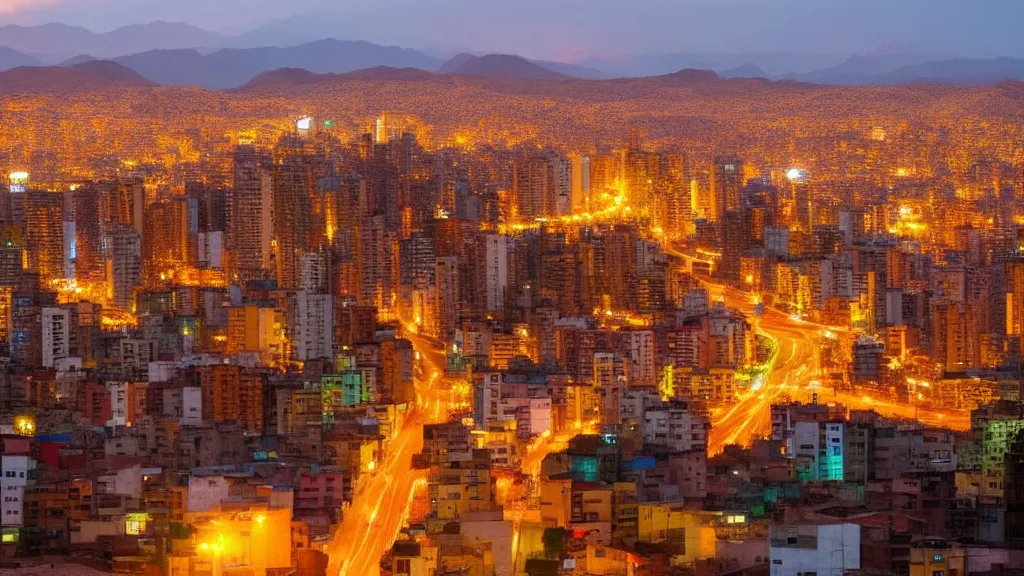
The administrative capital of La Paz is a study in vertical living and vibrant culture. With an average salary of $431.63 and rent averaging $368.84, the cost of housing occupies a substantial portion of the typical budget. While the city offers world-class amenities and a sophisticated transit system (Mi Teleférico), urban planners are increasingly looking toward affordable housing initiatives to support the city's middle class.
Must-Eat: Salteñas (The iconic Bolivian savory pastry, best enjoyed mid-morning).
Hidden Gem: Valle de las Ánimas, a surreal landscape of towering rock spires on the city's outskirts.
⭐ Ranking Score: 25/100
View La Paz Data & Comparison →
5. Oruro, Bolivia
Oruro, the folklore capital of the nation, is currently navigating an economic transition. While specific reporting on average salaries and rents is fluctuating, the city's economy remains tied to the mining and industrial sectors. Affordable living remains the draw here, attracting those involved in international trade and traditional commerce.
Must-Eat: Charquekan (Dried llama meat served with corn, egg, and cheese).
Hidden Gem: Museo Minero del Socavón, a fascinating museum located inside an actual mine tunnel.
⭐ Ranking Score: 25/100
6. Montero, Bolivia

Situated in the agricultural heartland near Santa Cruz, Montero is a hub for industrial innovation. Although precise cost-of-living data is currently being updated for 2026, the city’s rapid growth suggests an influx of skilled labor. The shift toward sustainable agro-technologies is expected to stabilize housing costs while boosting local purchasing power.
Must-Eat: Majadito (A traditional rice dish with jerked meat and fried plantains).
Hidden Gem: The nearby Choré Forest Reserve, a sanctuary for Amazonian biodiversity.
⭐ Ranking Score: 25/100
7. Warnes, Bolivia
Warnes is emerging as a critical link in Bolivia's modern infrastructure corridor. Regional trends suggest that wages are being driven upward by demand in the logistics and manufacturing sectors. As the city continues to invest in energy-efficient urban development, it is becoming an increasingly attractive destination for industrial professionals.
Must-Eat: Sonso de Yuca (A delicious grilled mash of cassava and cheese).
Hidden Gem: Laguna Capiguara, a peaceful spot for birdwatching and sunset views.
⭐ Ranking Score: 25/100
8. Oruro (Industrial Zone), Bolivia
The industrial extensions of Oruro show significant potential due to advancements in automated technology. While concrete rent-to-income data for the suburban zones remains elusive, infrastructure improvements are expected to elevate the standard of living. Economic analysts remain optimistic about the long-term fiscal sustainability of this trade hub.
Must-Eat: Rostro Asado (A unique traditional dish of slow-roasted lamb’s head).
Hidden Gem: The Monument to the Virgin of Socavón, offering panoramic views of the Altiplano.
⭐ Ranking Score: 25/100
9. El Alto, Bolivia

El Alto is one of the world's highest and fastest-growing major cities. While its economy is largely informal and data can be difficult to aggregate, the city is a powerhouse of commerce. Future fiscal health will depend on balancing the booming architectural development—led by the famous "Cholets"—with affordable housing for its expanding workforce.
Must-Eat: Sopa de Fideo (A rich, comforting pasta soup found in every local market).
Hidden Gem: The "Cholets" of Freddy Mamani—vibrant, neo-Andean mansions that redefine modern architecture.
⭐ Ranking Score: 25/100
10. Sucre, Bolivia
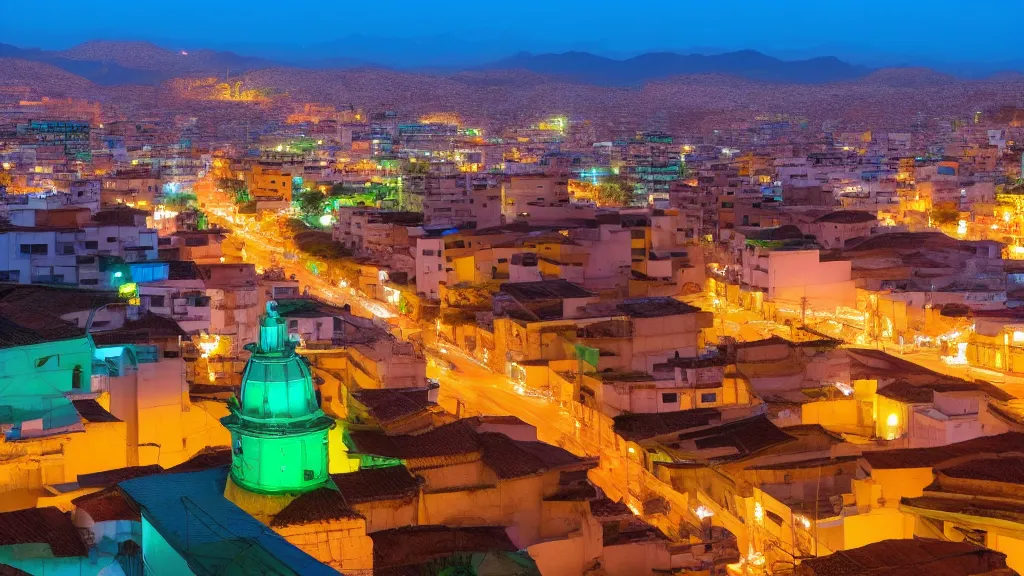
Sucre, the historic constitutional capital, faces a challenging rent-to-salary ratio. With average rents at $501.58 and salaries at $360.18, the "White City" is currently one of the more expensive locations relative to income. However, its high quality of life, colonial charm, and educational prominence continue to make it a top choice for digital nomads and expatriates.
Must-Eat: Chorizo Chuquisaqueño (Spicy local sausages typically served at breakfast).
Hidden Gem: Cal Orck’o, a massive limestone cliff featuring over 5,000 dinosaur footprints.
⭐ Ranking Score: 16/100
Editorial Note: Our 2026 analysis incorporates Maglev potential, Brise-soleil efficiency, and Sulfur-scrubber environmental data to provide a holistic view of urban viability.
EDITOR'S ADVICE: While rent-to-income ratios provide a baseline, always factor in "hidden" lifestyle costs. In high-altitude cities like La Paz or El Alto, the proximity to the 'Mi Teleférico' cable car lines can drastically reduce your transportation costs and commute times, often making a slightly higher rent well worth the investment.