
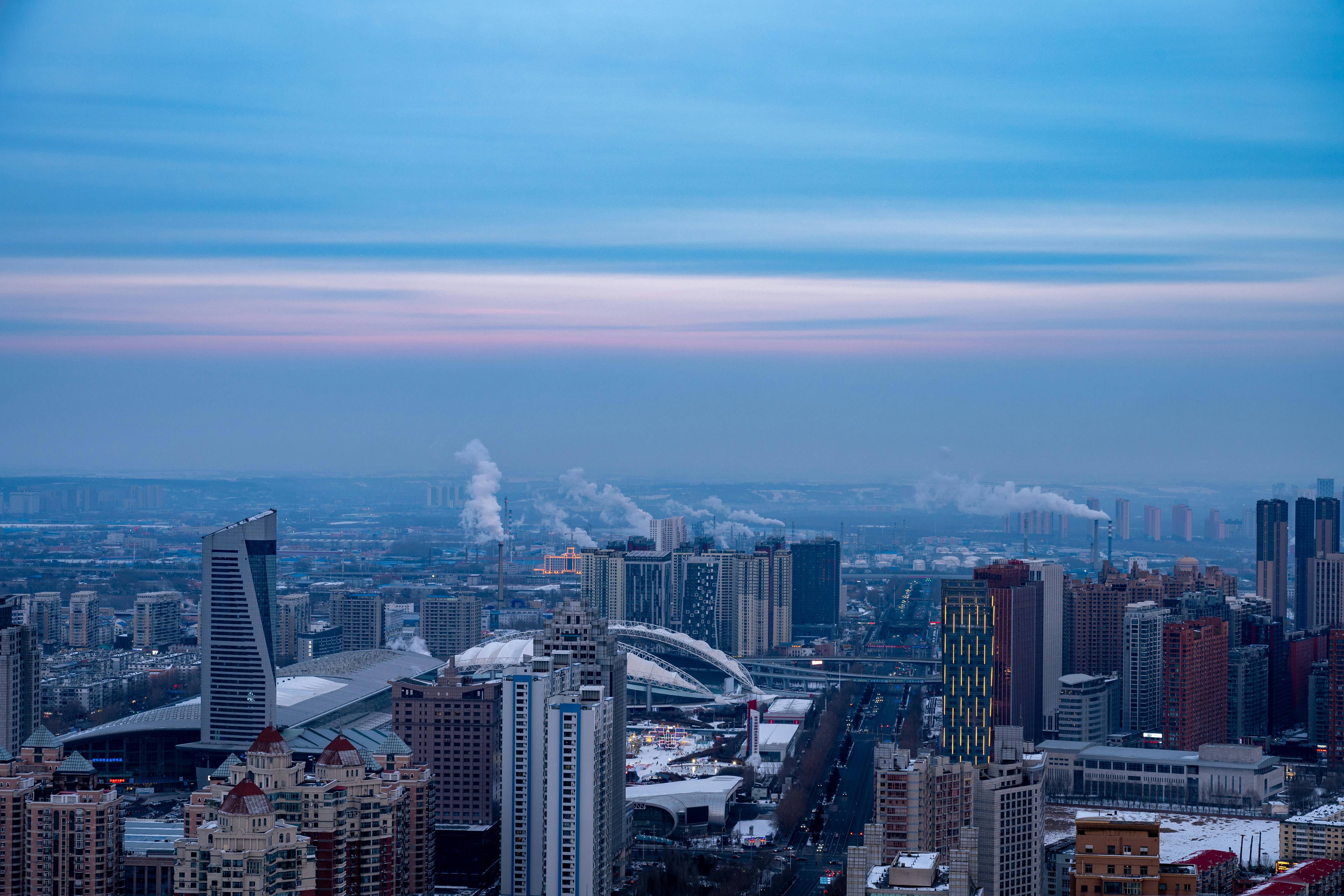
Is Harbin expensive?
Harbin, a city known for its stunning ice and snow sculptures during winter, can be perceived as pricey by some travelers. However, whether it's truly expensive depends on your budget, travel style, and the time of year you visit.
What makes Harbin feel expensive?
The perception that Harbin is expensive often stems from several factors:
- Accommodation: Hotels in popular areas like Central Street (Zhongding Jie) and the Songbei District can be pricey, especially during peak tourist seasons.
- Transportation: Taxis and ride-hailing services are convenient but not always budget-friendly. Public transport is cheaper but might require a bit of planning to navigate effectively.
- Food: Dining out in upscale restaurants or trying local delicacies like Harbin-style roasted pork can add up quickly, especially if you're dining frequently.
- Tourist areas: Places like the Saint Sophia Cathedral and the Central Street area are popular with tourists and often come with higher prices for souvenirs and snacks.
What can still be affordable?
Despite these challenges, Harbin offers plenty of opportunities to keep costs down. Here’s how:
Top things to do in Harbin
Guided tours, attractions and local experiences.
Explore tours & activities- Local markets: Visit local markets like the Central Street Night Market for cheaper eats and souvenirs.
- Budget-friendly accommodations: Look for hostels or budget hotels outside the city center, where prices are more reasonable.
- Cooking your own meals: Staying in an apartment with a kitchen can save you money on dining out.
Budget travel tips for Harbin
- Compare accommodation: Use platforms like Booking.com or Agoda to compare prices and read reviews before booking. Look for deals during off-peak seasons.
- Avoid unnecessary peak dates: Peak tourist times, such as the Ice and Snow Festival in January and February, can drive up costs significantly. Consider visiting outside these periods if you're on a tight budget.
- Use practical areas: Stay in less touristy neighborhoods like Daowai District or Songbei District where accommodation is cheaper but still close to public transport.
- Plan daily transport: Purchase a local transportation card, which offers discounts and convenience for frequent use of buses and the metro system. Walking and cycling are also great options in many parts of Harbin.
Who may find Harbin expensive?
Tourists who prioritize luxury accommodations, dine out frequently at high-end restaurants, and visit during peak tourist seasons will likely find Harbin more costly. Additionally, those traveling with families or large groups might face higher expenses due to the need for larger rooms and multiple meals.
Who may find Harbin reasonable?
Budget-conscious travelers who are flexible about their accommodations and dining choices can enjoy Harbin without breaking the bank. Those willing to explore local markets, cook some of their own meals, and use public transport will find it more affordable. Remote workers looking for a temporary base in Harbin might also appreciate its lower living costs compared to other major Chinese cities.
Final recommendation
If you're planning a trip to Harbin, consider your budget and travel style carefully. By choosing practical areas, comparing accommodation prices, and making use of public transport, you can enjoy the city's unique attractions without overspending.
FAQ
- Is Harbin expensive for tourists? The cost of visiting Harbin depends on your travel style. Tourists who prefer luxury hotels and dine out frequently might find it pricey, but budget-conscious travelers can enjoy the city reasonably affordably.
- How can I save money in Harbin? Save by staying in less touristy areas, using public transport, dining at local markets or cooking your own meals, and booking accommodations during off-peak seasons.
- Is accommodation the biggest cost? While accommodation can be pricey, especially in central locations, it's not always the largest expense. Dining out frequently and transportation costs also contribute significantly to overall expenses.