
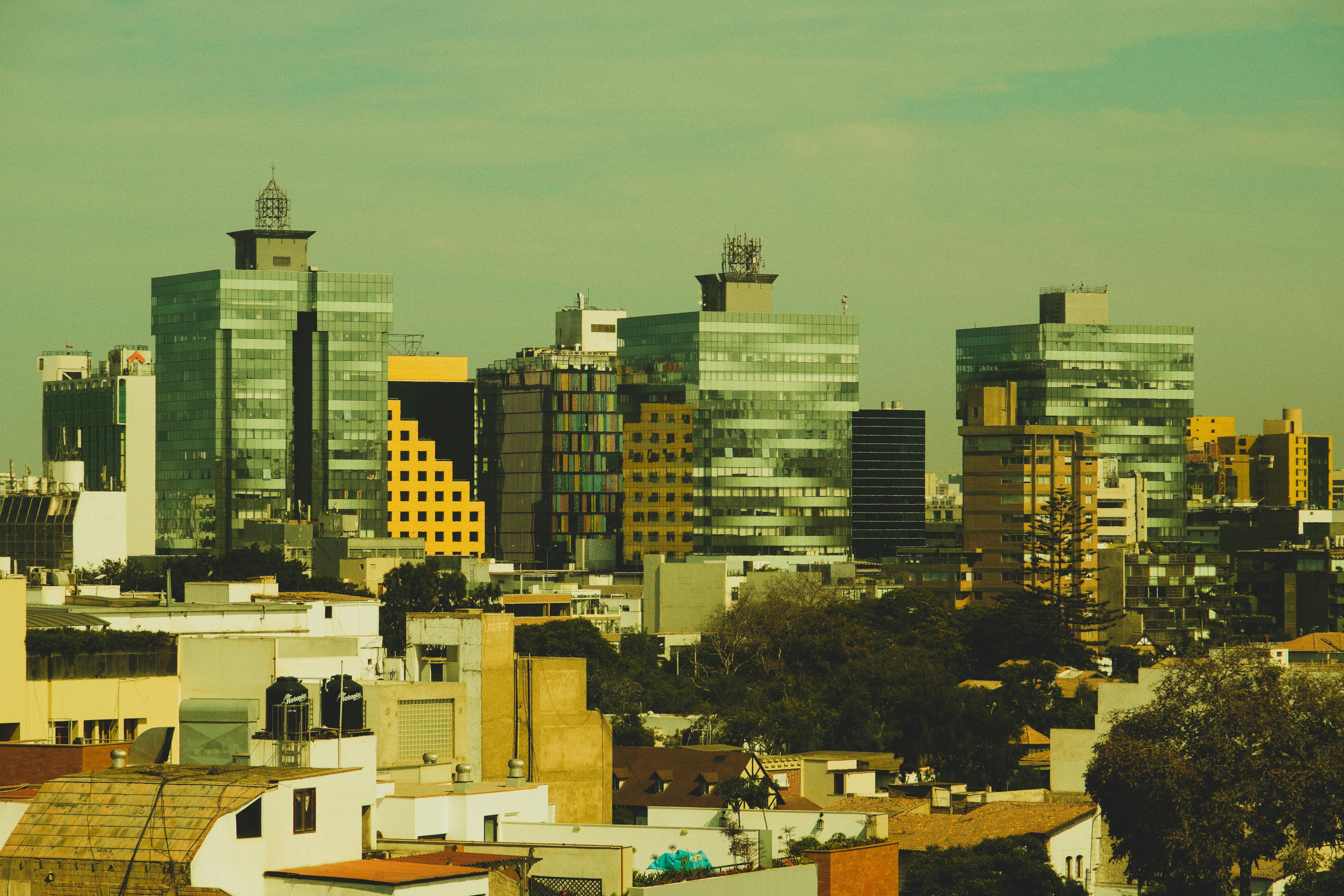
Cost of living in Lima: quick overview
Lima, Peru's bustling capital city, offers a blend of affordability and vibrant culture for those looking to live or travel there. Whether you're an expat, remote worker, or just visiting for leisure, understanding the cost of living can help you plan your stay more effectively.
Housing and accommodation costs
Lima's real estate market is diverse, with options ranging from luxury apartments to budget-friendly rentals. Rent prices vary significantly depending on location, amenities, and proximity to city centers or tourist areas. Areas like Miraflores and San Isidro are known for their high-end properties, while districts such as La Victoria offer more affordable living spaces.
Food, groceries and eating out
Daily food costs in Lima can vary widely based on your lifestyle choices. Eating at local markets or street vendors is a budget-friendly option, offering authentic Peruvian cuisine for less than $10 per meal. For those who prefer dining out at restaurants, prices can range from around $5 to over $30 depending on the establishment and type of food.
Transport and daily expenses
Lima's public transportation system includes buses, taxis, and a metro network that covers much of the city. Public transport is generally inexpensive, with bus fares starting at less than $1 per ride. Taxis are more expensive but offer greater convenience, especially for longer distances or late-night travel.
Who is Lima affordable for?
Lima can be a cost-effective destination for various types of travelers. Budget-conscious tourists and backpackers often find the city's lower prices appealing, while expats and remote workers may appreciate the relatively low cost of living compared to many Western cities. Students and young professionals also benefit from Lima’s affordable lifestyle.
How to save money in Lima
- Compare accommodation before booking: Take time to research different neighborhoods and compare prices online or through local real estate agents to find the best deal that fits your budget.
- Stay flexible with dates: Traveling during off-peak seasons can often result in lower costs for flights, hotels, and other services. Be open to adjusting your travel plans if it means saving money.
- Use local transport when practical: While taxis are convenient, using public transportation like buses or the metro is a more economical way to get around the city.
- Choose areas based on your daily needs: Consider where you need to go most often and choose an area that minimizes travel time and costs. For instance, if work or school is in Miraflores, living there might be more practical than commuting from a distant suburb.
Final recommendation
Lima offers a balanced mix of affordability and cultural richness for those willing to explore its diverse neighborhoods and embrace local lifestyles. Whether you're planning a short visit or considering a longer stay, understanding the city's cost dynamics can help maximize your experience while keeping expenses in check.
FAQ
- Is Lima expensive? While some areas of Lima are pricey, especially those closer to tourist attractions and business districts, many parts of the city offer affordable living options. It's a matter of choosing wisely based on your budget and lifestyle needs.
- What is the biggest cost in Lima? Housing typically represents one of the largest expenses for residents or long-term visitors. Rent prices can vary widely depending on location, but finding an area that suits both your financial constraints and daily requirements is key to managing costs effectively.
- Can budget travelers visit Lima? Absolutely! Lima has plenty to offer within a range of budgets. From affordable accommodations in hostels or guesthouses to street food markets and public transportation, there are many ways for budget-conscious travelers to enjoy the city without breaking the bank.